
 Australia
 New Zealand
Ready to get started?
Payday sorted in minutes. Try 30 days for free.
Deepak | Guest Contributor
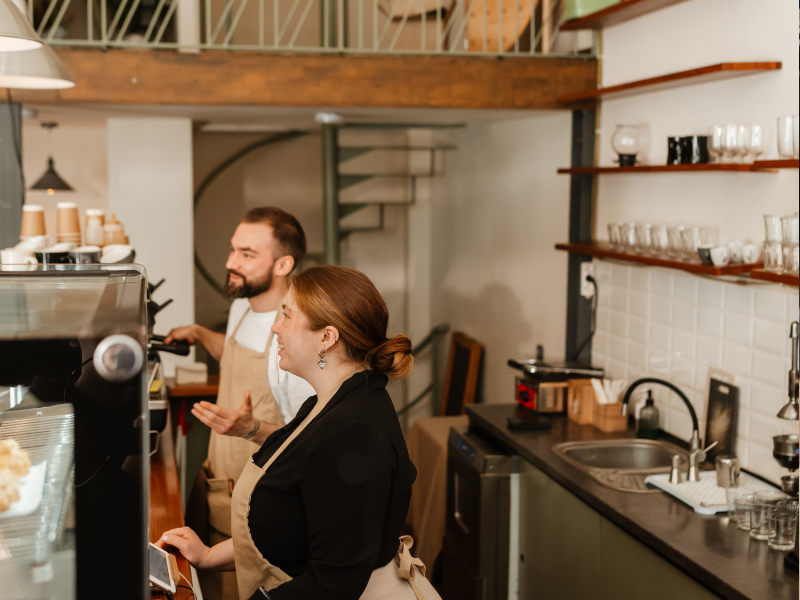
The customer experience at the table, the staff experience behind the counter, the owner experience at the end of the night, staring at rosters, wages, invoices, staff messages and a payroll process patched together on a spreadsheet. What even is a pivot table?
If you run a café, restaurant, bar or venue, you know the juggle. The roster changed four times before lunch, a new starter forgot their super details, someone swapped shifts in the group chat, invoices need paying and a customer left a weird review.
And somewhere in all of that, payroll still needs to be right. Not mostly right, not "we'll fix it later" right, but 100% on time and actually right.
Payday is one of the clearest trust moments in any hospitality business. It is not admin. It is how your team experiences whether your business has its act together, how they experience respect, consistency and care, and one of those moments where people decide whether they can trust your brand, or not.
I spent more than 15 years in hospitality before I became the person people call about workplace culture, HR and how work actually works. I have seen a payroll mistake break trust faster than any bad roster or understaffed Sunday service.
Most owners are trying to do the right thing. You care about your team, you want to be fair, you want people to stay and you want to be a great boss, even when the margins are thin and you are spinning 20 plates before breakfast.
The system is messy, and Payday Super is about to make messy systems much harder to ignore.
From 1 July 2026, employers will need to pay superannuation at the same time they pay wages, with contributions needing to reach an employee's fund within 7 business days. Paying correctly and on time has never mattered more.
For a large business, that is a process change. For a hospitality owner with a small team and no payroll department, that is another point of stress.
"Payday is one of the clearest trust moments in any hospitality business. It is not admin. It is how your team experiences whether your business has its act together."
Hospo payroll is not happening in a neat spreadsheet fantasy land. It happens around casuals, shift swaps, weekend work, new starters, sick calls, allowances and someone trying to run payroll after service with the emotional resilience of a cold chip.
You didn't open a café because you secretly dreamed of super compliance and pay runs. And if you did, we may need to reassess priorities.
The point is simpler. You need a payroll setup you can trust. One less thing sitting in your head, one less "I think it's right" moment, one less chance for payday to become the reason someone loses confidence or goes to Fair Work.
Because when pay is wrong, people do not experience it as a systems issue. They experience it as a trust issue. When someone's pay is short after a long week, they feel the mistake. When super is late or unclear, they feel the doubt. And once doubt gets into the system, it costs time, energy, trust, good people, and your customers see and feel it.
This is where many owners get caught.
A lot of non-compliance in small business is not deliberate. It is accidental. It is the café owner who thinks the Award setup is right because someone set it up years ago, the manager who assumes the new starter details are complete, and the venue owner relying on a bookkeeper to understand the nuances of multiple Awards.
Not dodgy. Not malicious. Just exposed.
But the consequences can still be real. Backpay, admin clean-up, awkward staff conversations, Fair Work stress, a team member wondering if they can trust the business and a customer experience that starts to feel the pressure because the team does.
Good intentions matter, but they do not make payroll right.
When people talk about culture in hospitality, we often jump straight to the visible stuff, the vibe, the banter, the team meal. But culture lives in the basics. Clear shifts, clear expectations, respect, and being paid correctly and on time.
For small hospitality businesses, that floor matters because there is usually no safety net behind it. The pressure is visible, the pace is relentless, the people impact is immediate. When the basics are right, teams feel it. When the basics break, your customers feel it too.
A good payroll setup should not make you guess. You should not be sitting there saying:
A better setup should help you know your pay run is right before it goes out. Ensure compliance, keep employee and super details cleaner, reduce manual workarounds and stop one small mistake turning into hours of admin and an awkward conversation.
That is the practical value of PaySauce. Not more admin dressed up as innovation, just a simpler way to get payday right.
Hospitality and retail owners are not sitting neatly at a desk all day with a quiet hour blocked out for payroll. You are on your feet, between shifts, behind the counter, in the kitchen, checking messages, solving problems and trying to get to the next service without something catching fire, emotionally or literally.
PaySauce is built to fit into that reality, not add another after-hours task to it. Being able to manage payday from your phone, during a break, between shifts or before the next service, is the whole point.
Deepak Singh is a HR Advisor and Fractional Chief People Officer with 15 years of experience in hospitality and a reputation for building workplace cultures that actually work. He challenges how work gets done, not just how it looks on a values wall.
Is our payroll system ready for super to move closer to payday?
If the answer is "I think so", it is probably worth checking.
The future of small business payroll is not about guessing. It is cleaner systems, better rhythms and less trust left to chance.
The best hospitality operators are trying to create places people remember, teams people want to be part of and businesses customers return to. That starts with trust, and payday is one of the clearest places that trust shows up.
Payday Super might be the trigger, but trust is the real story.
Now is the time to stop treating payroll as something that sits quietly in the background until it becomes a problem. Get your setup right before the pressure increases, make payday easier, give your team confidence and take one stress point off your plate.
And if payroll still feels like something you have to check, chase, guess or hope is right, talk to PaySauce.

30 September 2026
Hiring someone should be exciting! You’ve found the right person, they’ve said yes, and you’re ready to get them started. Then come the ques…
Read more ›
31 July 2026
The Fast Food Industry Award is now available in PaySauce Australia.
Read more ›
23 July 2026
What the Metcash Food Expo taught me about the future of independent retail By Chris Ridd, Executive Director, PaySauce Australia
Read more ›