
 Australia
 New Zealand
Ready to get started?
Payday sorted in minutes. Try 30 days for free.
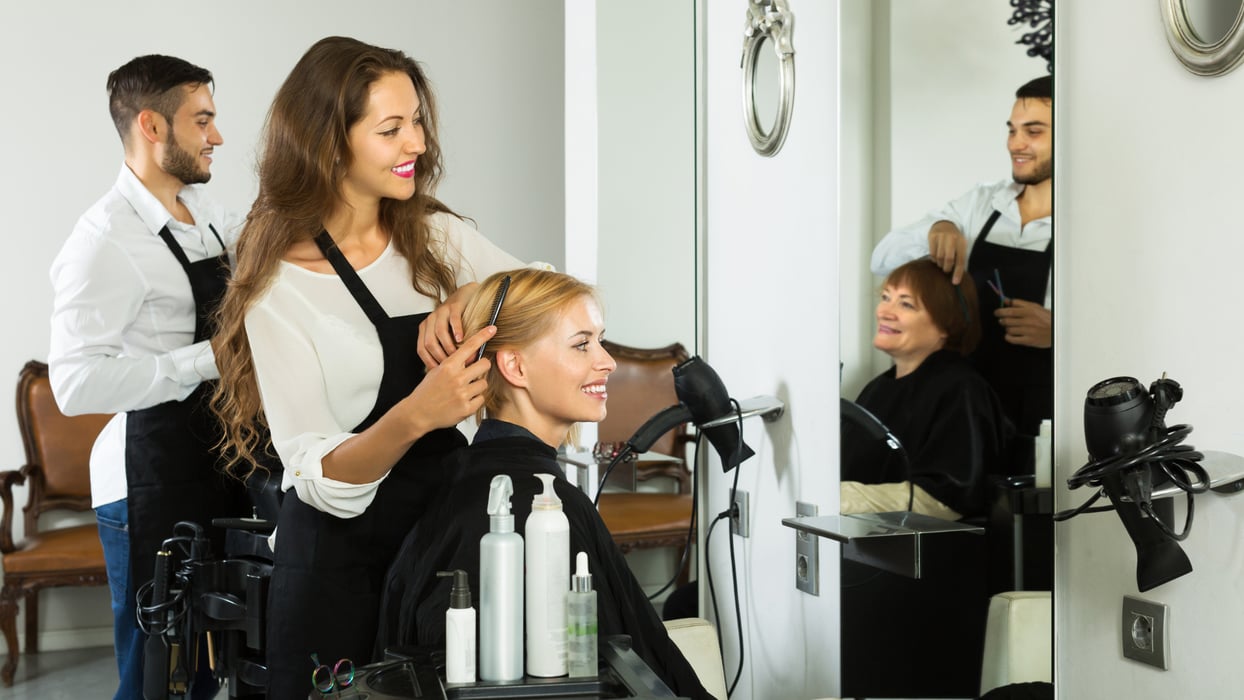
It's Saturday morning, the salon is fully booked, your first client has arrived early and someone's just called in sick. There's barely time for a coffee, let alone thinking about payroll.
By the time you've finished your last appointment, tidied up and locked the doors, the last thing you want to do is sit down and work out everyone's wages. But between apprentice rates, weekend penalties, different employee classifications and overtime, getting your team's pay right takes more attention than you might expect.
We've got some good news!
PaySauce now supports Hair and Beauty Award interpretation, so you can spend less time working through pay calculations and get back to the parts of running your business you actually enjoy.
If you run a salon, barbershop, or beauty clinic in Australia, you'll probably be familiar with the Hair and Beauty Industry Award (MA000005).
It's the award that sets minimum wages and employment conditions for many people working in the industry, including how employees should be paid for different hours, qualifications and working arrangements.
And as anyone who has ever managed a salon roster knows, there's rarely a week where everyone works exactly the same hours.
You might have a qualified stylist working late on Thursday, an apprentice attending training during the week and a casual team member helping out on Saturday. Each of those arrangements can come with different pay requirements, which is why understanding the award matters.
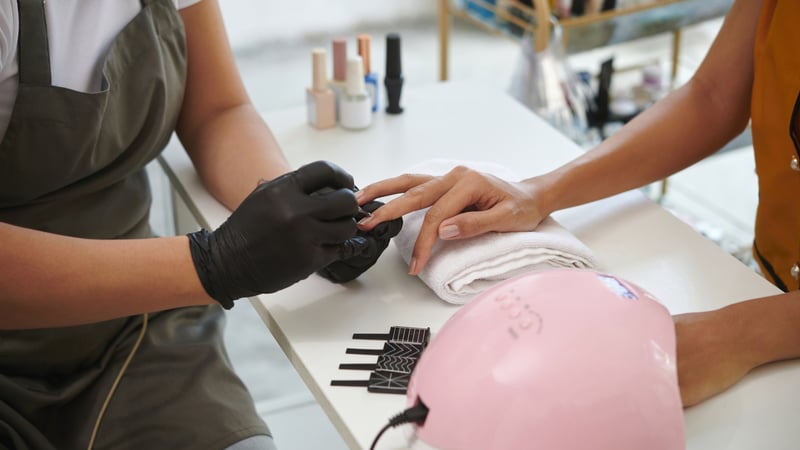
The Hair and Beauty Award applies to many employees working in hairdressing, barbering and beauty services.
That includes hairdressers and colourists, barbers, beauty therapists, nail technicians, makeup artists just to name a few. It can also cover salon assistants, reception staff and apprentices, depending on their roles and the award's coverage provisions.
So even if you've only got a handful of employees, you may be managing several different classifications under the same award.
The important thing is to check what each employee is employed to do, what qualifications their role requires and whether the Hair and Beauty Award applies to their employment.
Finding the right classification can take some extra care, especially when your team has different qualifications and levels of experience.
The Hair and Beauty Award has six classification levels, and the level you assign an employee affects their minimum rate of pay.
For example, a salon receptionist may fall under Level 1, while a qualified hairdresser with a Certificate III in Hairdressing generally falls under Level 3. A beauty therapist holding a Diploma in Beauty Therapy may fall under Level 6.
But you shouldn't assign a classification based on job titles or qualifications alone. You also need to consider the duties and skills required for the employee's role.
The best place to start is Schedule A of the Hair and Beauty Award, which explains the classification levels and the types of work they cover.
Compare the descriptions against your employee's actual role, including their qualifications, responsibilities and the work they're expected to perform. Once you've identified the correct classification, make sure it's recorded in your payroll system and communicated to the employee as required.
Apprentices have specific pay arrangements, with rates depending on their training stage and apprenticeship conditions. These should be checked separately rather than using the standard adult classification rates.
If you're uncertain, you can use Fair Work's award classification guidance.
Think about your busiest day of the week.
If you're running a hair salon, you've got a senior stylist doing colour appointments, a junior hairdresser assisting with washes and blow-dries, and a casual employee helping keep things running during the Saturday rush.
Or perhaps you're managing a beauty salon, with therapists treating clients, nail technicians booked back-to-back and a casual employee covering the afternoon appointments.
Everyone's working different hours, and depending on their classifications and employment arrangements, you may need to account for different base rates, penalties and overtime.
Then there are the late appointments, last-minute shift changes and apprentices moving into their next stage of training. These are all familiar parts of running a hair or beauty business, but they can make payroll more time-consuming when you're calculating everything yourself.
The Hair and Beauty Award includes rules for ordinary hours, weekend and public holiday work, overtime and allowances. Working out which rules apply to each employee can mean spending a fair bit of time checking award tables.
Still spending time checking award tables and calculating wages manually? See how PaySauce can make payroll easier.
After a long day with clients, payroll probably isn't the part of the business you're most excited to get stuck into.
And while understanding your award responsibilities is part of being an employer, you shouldn't have to spend hours manually checking calculations every payday.
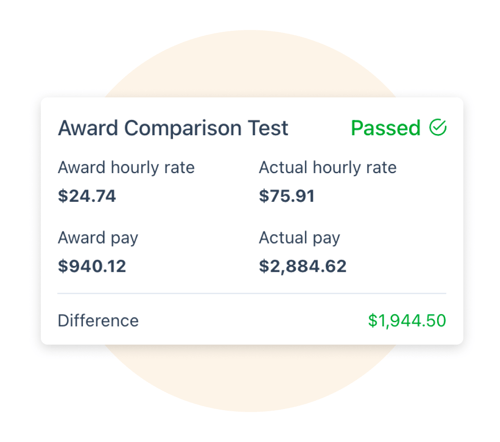
With Hair and Beauty Award interpretation now supported in PaySauce, you can set up your employees with their applicable classifications and let PaySauce handle the supported award calculations using their recorded hours.
That includes applicable minimum wages, overtime, penalty rates and allowances.
Your team can submit timesheets directly through their phones, ready for you to review and approve. You can also manage leave, PAYG, super and payslips in the same place, without needing separate spreadsheets to keep track of everything.
And when payday comes around, you can pay your team in one click without having to enter payments separately through internet banking.
You've already got enough to think about when you're running a salon, barbershop or beauty business.
If you'd like to see how PaySauce can help with your team's payroll, book a demo with one of our payroll experts. We'll walk you through how it works and answer any questions you have.

11 November 2026
AI is becoming an incredibly useful part of everyday work, helping businesses find information, answer questions and get things done faster.…
Read more ›
4 November 2026
27 October 2026
Marisa | Sugar Time | Tuggerah, NSW From late-night payroll to payroll on the go, we caught up with Marisa from Sugar Time to hear how a sim…
Read more ›Payday sorted in minutes. Try 30 days for free.